Stump Grinding in Greenville, MS
Use the homepage contact form to request a quote.
A stump left in the yard after a removal is still a problem - just a slower one. In the Delta, it can become a faster problem. Sweetgum and cottonwood stumps in Washington County resprout aggressively if left untreated, and Delta clay soil keeps the root system alive longer than stumps in better-draining ground. Grinding is the only reliable resolution.
Darnell grinds stumps to below grade - deep enough to fill, sod, or build over
- and hauls the wood chip material off
the property unless you want it.
Why Delta Stumps Are a Specific Problem
Sweetgum resprouting. Sweetgum is the most aggressive resprouter in Washington County. Leave a sweetgum stump untreated and it will produce multiple new shoots from the root system within one growing season. Those sprouts aren't new trees you can pull up - they're fed by an established root system that goes deep into the Delta clay. Grinding below the root collar is the only solution that stops it.
Cottonwood roots. Cottonwood root systems in Delta clay spread wide and shallow. After the tree is removed, the roots don't die quickly - they continue to heave driveways, crack foundations, and compete with any new planting for years if the stump isn't properly ground.
Water oak decay and termites. A water oak stump left in place becomes a termite and wood-boring insect attractant within months in Washington County's warm, humid conditions. For properties near the foundation, this is not a minor concern.
Delta clay keeps root systems alive. In better-draining soil, a stump's root system begins to die back quickly after removal. Delta clay holds moisture and nutrients in a way that keeps root systems active longer. This makes the resprouting and heaving problems more persistent here than in most markets.
What Stump Grinding Includes
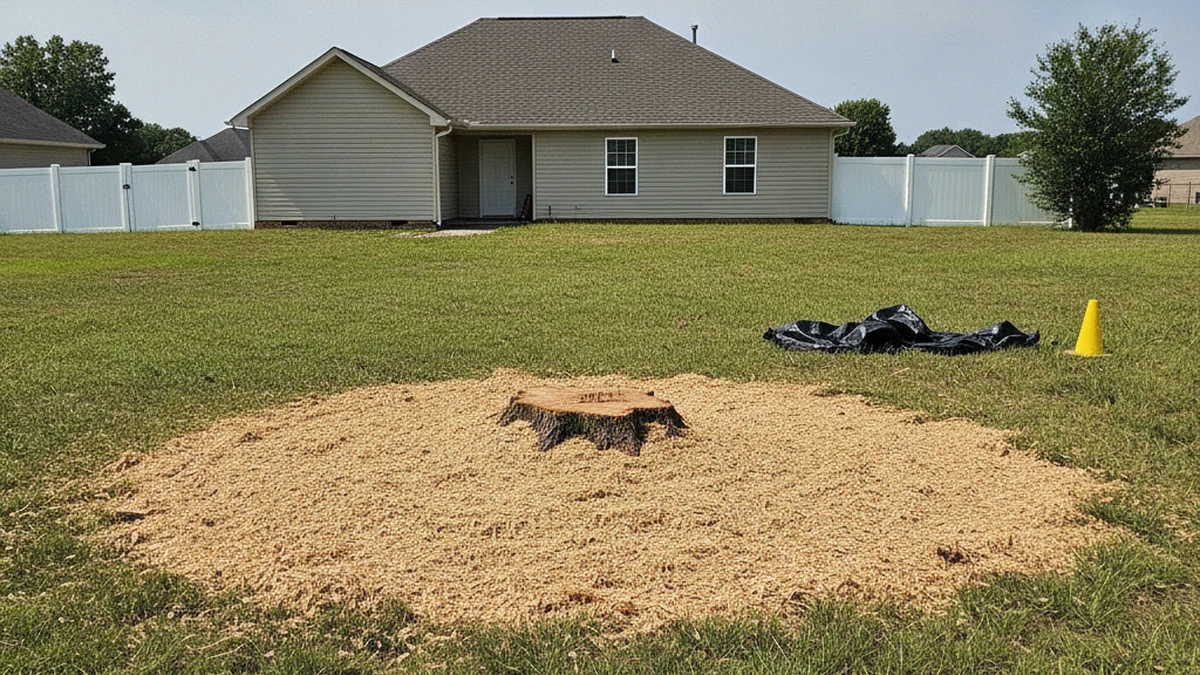
Darnell grinds stumps to 8–12 inches below grade - deep enough to fill and re-sod or build over. The grinding process produces wood chip mulch that can be used in the landscape or hauled off, your choice.
The area is left level with surrounding grade. On jobs where multiple stumps are being ground, Darnell works across them systematically and removes all material at the end.
Multiple Stump Pricing
For properties with several stumps - common after lot clearing, a major storm, or an estate property that hasn't been maintained - Darnell prices the full scope together rather than per-stump, which usually means a better rate than individual calls.
- Single stump: $100–$300 depending on diameter and species
- Multiple stumps: request an estimate for combined quote - usually discounted
- Sweetgum stumps: priced slightly higher due to aggressive root system and deeper grinding required
Free estimates - request an estimate Request a Free Estimate.
Stump Grinding FAQs
Does the stump need to come out if I'm not replanting that spot?
If it's sweetgum or cottonwood - yes, because it will resprout regardless of your plans for the spot. If it's water oak and not in a high-traffic area, you can monitor it, but decay and insect attraction are factors to weigh. Darnell gives a straight assessment at the estimate on whether grinding is urgent or optional.
How deep does grinding need to go?
8–12 inches below grade is sufficient for most residential purposes. This is below the depth of typical lawn maintenance and sod installation. If you're pouring concrete or building a structure over the area, go deeper - Darnell will assess and quote accordingly.
Can I leave the wood chips in the yard?
Yes. Wood chips from stump grinding make reasonable mulch for landscape beds. Darnell can spread them around existing plantings or leave them in a pile for your use. If you don't want them, he hauls them off.
How long does stump grinding take?
A single residential stump takes 30–90 minutes depending on diameter, species, and access. Multiple stumps are usually done in a half-day or full-day job.